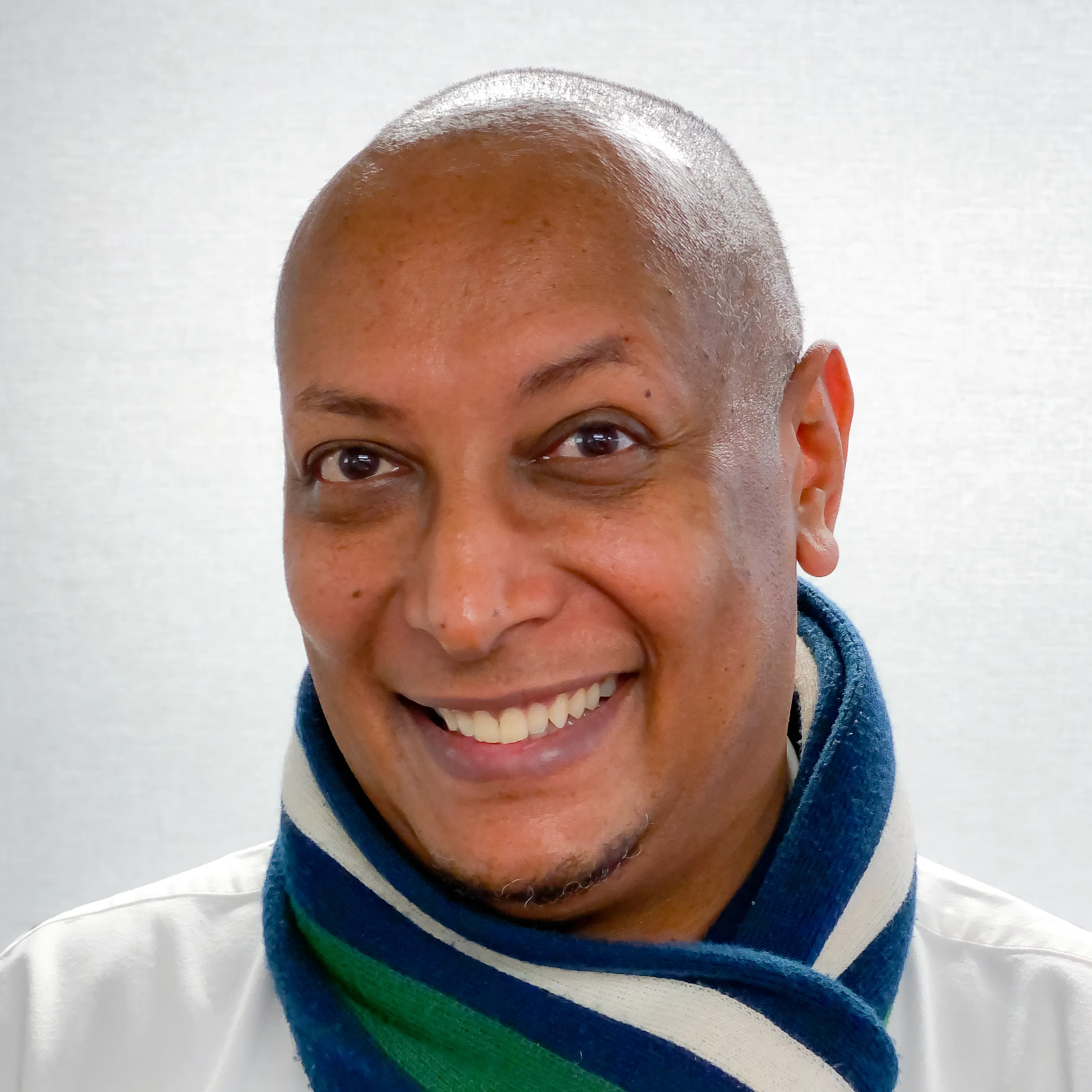
Hello, and welcome to this episode of the ILO's Future of Work Podcast. I'm Guebray Berhane, coming to you from the ILO in Geneva, and today, we will talk about diversity and inclusion at work. Now, promoting and improving diversity and inclusion in the workplace is a crucial initiative that many companies are now taking, but a lot remains to be done in achieving a truly diverse and inclusive workplace. What are myths and realities associated with diversity and inclusion,
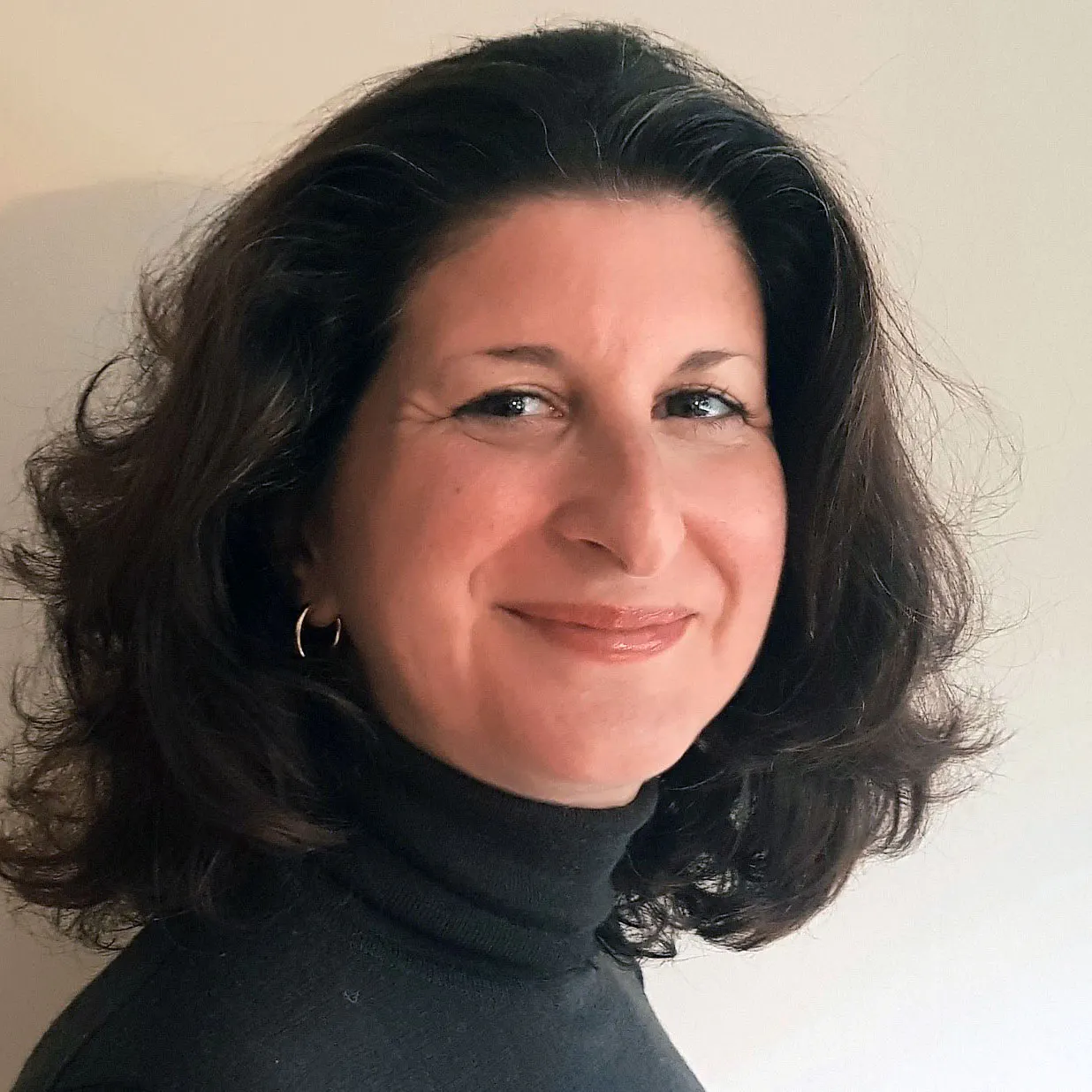
are diversity and inclusion more than policies, programs, or head counts? What's really working in today's world in terms of diversity and inclusion? To answer this question and some more, I'm truly happy to introduce today's guest Dr. Gillian Shapiro. She's the main author of the ILO report on diversity and inclusion to be published in April 2022. She's also a leading diversity and inclusion expert as she supports global organizations to improve their business performance
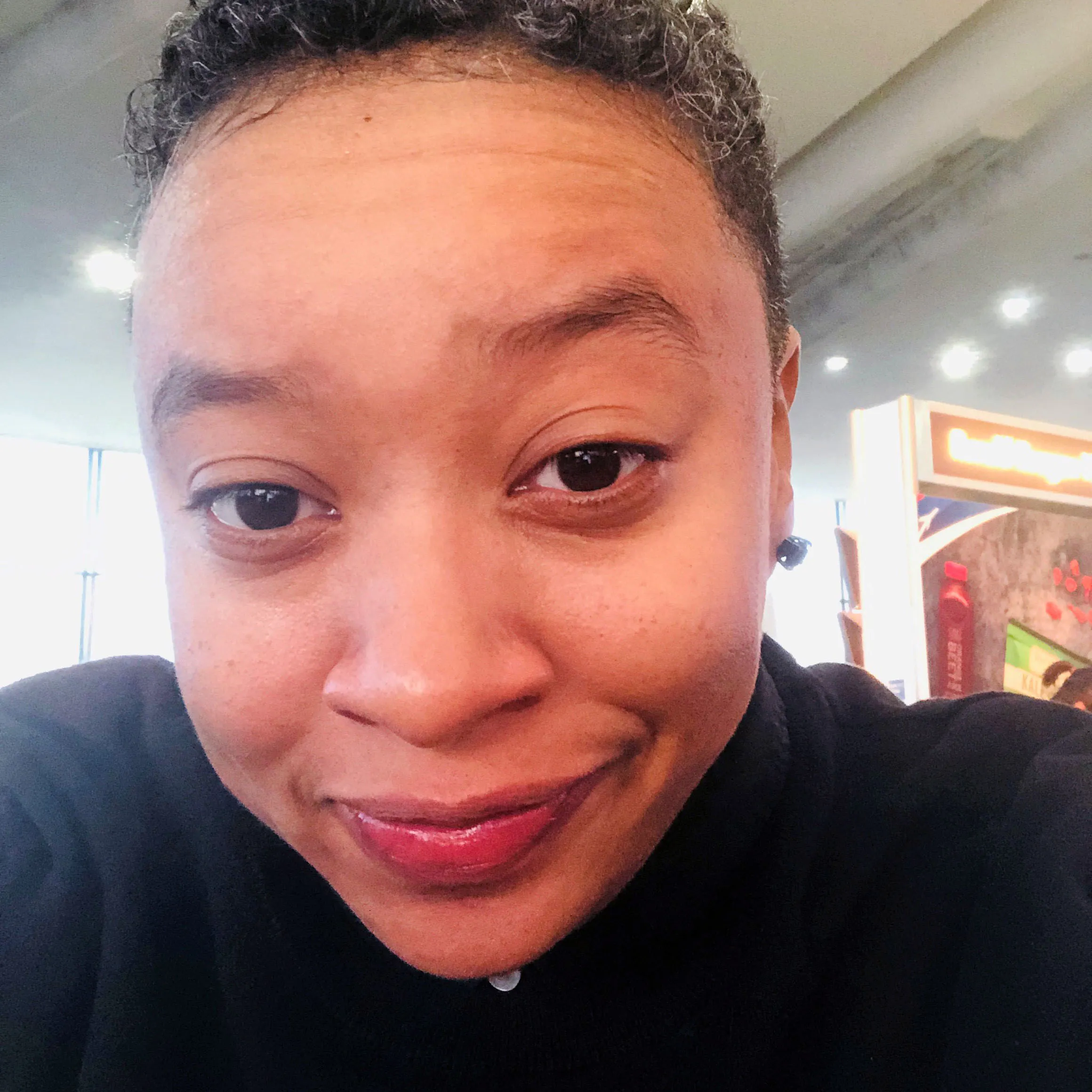
by increasing employee diversity and inclusion. She has worked with organizations across sectors and sides from tech-based, small, and medium enterprises, to the largest law firm. Dr. Shapiro Gillian, thank you for joining us today. -It's a pleasure. Glad to be here. Thank you. -My second guest is Nykeba King. She's Global Head of Inclusion and Belonging at The Body Shop. she's a talented and passionate multi-unit retail manager with a vast experience on diversity and inclusion.
Nykeba, thank you for joining us today. -Yes. Really happy to be here and join you as well. -Perfect. I think we can go straight to the issue at hand, but before that, we talk a lot about diversity and inclusion, but do we have a common understanding of the definitions and what do they mean to you? How would you describe those two words in today's world? -Yes, I'm very happy to come in. Do you know you are absolutely right, Guebray, because when I go into most organizations,
we all have very different ideas in our head about what diversity and inclusion mean. If I put it most simply, when we talk about diversity, we're really talking about the mix of employees, the mix of people that we have in the workplace from different backgrounds, with different personal characteristics. When we talk about inclusion, we are talking about the experience of people in the workplace, the extent to which they're supported
to really flourish, contribute and thrive. That's the really short answer. If I can expand a little bit, when we're talking about diversity, very often, companies are focusing on the different personal characteristics of the people they attract and employ, the sorts of characteristics we talk about and focused on in our report such as age disability, gender identity, ethnicity,
race, religion, sexual orientation, people living with HIV. Very often companies are concerned with representation, how well different groups are represented, and where in the organization they sit. Partly, of course, this is because nobody should experience discrimination or inequality because of personal characteristics, and, we know from a massive wealth of research
that when organizations are successful in attracting diversity, that there can be so many benefits in terms of productivity, profitability, innovation, reputation, but diversity is only half of the story, inclusion is absolutely critical. A company might be successful in attracting a diverse mix of people, but it's inclusion that really influences equality of outcomes
and contribution and ability to thrive. When we talk about inclusion, that's really, when we feel included at work, we need a balance between two things. We need to feel valued for who we are, our identity, our backgrounds, the skills and experience we bring, and we need to feel a strong sense of belonging, meaningful and trusting relationships with others around us at work.
Whilst diversity can be more quantified, inclusion is more experiential if you like, it's more relational. It's influenced by three main things. It's influenced by our own behavior, the behavior of people around us, and the situations we are in. That might be the cultural, the processes, the policies, the systems, where we work. That's the longer explanation. -Yes, but from a company perspective, Nykeba, what would be your views about, and do you agree with those definitions?
-I absolutely do agree with those definitions. Thinking about it and listening to Dr. Gillian talk about it from a company perspective, when we think about diversity, it's exactly that. We think about the characteristics, individual traits that are unique to people, visible and non-visible, so those protected characteristics that she's mentioned as well as the experiences, our lived experiences and acquired experiences over time.
Thinking about how people communicate, how people think, social class, and then all those visible things that we've mentioned, these distinctions that really make us who we are, this is how we think about diversity from an organizational perspective and our efforts around diversity to a point are about improving representation of these groups in our organization in general, but then also at different levels. All the way through the organizational chart of the company
and then inclusion, of course. In the Body Shop, we talk about inclusion and we talk about belonging and inclusion, of course, is that experience or extent to which people are supported, to which people thrive, the space that they have to really be authentically themselves and bring their authentic selves, however much of their authentic selves, of course, that they choose to bring or share without being bound or hindered by any type of archetypes of success, et cetera.
Without inclusion, then your diversity efforts will be short-lived because inclusion, of course, is what actually motivates and inspires people to stay, to remain in the organization when they feel they can really excel and progress, so I am completely aligned with the definitions that have been shared of diversity and inclusion. -Thank you. Now, that's very important. I'm very happy that we have an agreement on this. That we are agreeing on the definitions of diversity
and see inclusion because of the new report that the ILO will be publishing this week, as I mentioned in the intro. Supporters would say, "Okay, great insights," but you could have critics who might respond, "Well, here's yet another report on the subject," so, Gillian, what are the key takeaways from that report? -Well, the first thing I would say is there are things that I think are different about this report too, there are many, many reports, it's true on diversity and inclusion.
There are some things that I think are importantly different on this one. Many studies on diversity and inclusion really focus on high-income economy countries, large often multi-national organizations, and in this one, we really sought to make this truly global. For example, there are 39% of the respondents to the survey working in small or medium-size enterprises, and we have a focus in this study on people working in countries
that are low to mid or mid to upper income economies. Perhaps the other thing that makes it stand out is we're looking at diversity and inclusion through the lens of people that work in companies at all different levels, so the survey has respondents, yes, at that senior executive level, but also at management level and at staff level as well. I think there is something different about this report in terms of who's contributed to it.
Well, what are some of the key takeaways? I think one important thing to note is that size of company or income economy level of a country is absolutely no barrier to diversity and inclusion. We saw good examples across all sectors, across all countries and types of organizations, but there is much further to go and in particular,
there are, for example, more action going on in more higher levels of inclusion within multi-national organizations, the national and SMEs, small-medium enterprises, so we have more work to do there. Another key takeaway is action. It should be no surprise, I guess, but action really matters. We saw when companies takes a specific approach to diversity and inclusion, they really see results.
We saw four things that make a big front to outcomes on diversity and inclusion. Firstly, when they're really identifiable and embedded in core company strategy and culture. Where there are priority where diversity inclusion are sufficiently resourced in terms of actions and where progress is actively measured, more people feel a greater sense of inclusion
when there's diversity at the top, this also results in higher levels of inclusion. A great example in the report is in companies where there are at least 40% of women in top executive roles, women are 9% more likely to feel included compared to companies with lower levels of women at the top and men are 3% more likely. When companies take actions to embed diversity inclusion in all aspects
of the employee life cycle that really raises levels of inclusion. In particular, people have much more confidence in the fairness and transparency of promotion decisions, for example, and when there's shared leadership. Of course, there needs to be leadership for diversity inclusion at the top, but when there's leadership and accountability and responsibility at all levels, we saw in our study that people were much more likely
to report experience of achieving the benefits of inclusion. Levels of wellbeing were higher. People were more likely to speak up about better ways of doing things and contribute to innovation. Action makes a difference inclusion doesn't just happen. Perhaps the other thing I would say here is what we were seeing, which was perhaps it shouldn't come as a surprise, but what we see is that at the moment in many organized inclusion
comes as a privilege to those in senior physicians. Inclusion is experienced much more highly by people at the top of organizations compared to management and staff levels. What we know is that there's far less diversity at the top where there is diversity higher levels of inclusion is still experience. With this privilege, there's a real risk that companies are missing out on the benefits of diversity and inclusion
by really only making it inclusion available to those at the very top. -Thank you. Very important point and very important key takeaways indeed. Now, it's very important because both of you have been doing a lot for quite some time on diversity and inclusion. It would be great to know where we stand today in terms of diversity and inclusion in the workplace because the report is mentioning that 25% of those surveys don't feel included.
What have been your experiences like, and what has marked you the most in this field? -Yes. Happy to speak about that. I'm also really excited to see the report. Haven't seen the report yet, but excited to see it because I think taking the opportunity to continue to measure how we progress is really important and we know while we are making the progress the progress, in some ways, is painfully slow.
Understanding why and continuing to dig in to the areas where there remains disparity and gap is critical. I am also looking forward to seeing the report. As far as where we stand today, I think we clearly still have a lot of ground to cover that stat, that 25% of people still don't feel included is concerning. Of course, we want to move from that 25% of people that don't feel included or that they don't belong and continue to minimize and ultimately, mitigate that number.
When I think about it organizationally and look at it, what we think about is, well, who are those people? Who are the 25% of people or whatever the number is that you're looking at organizationally, hopefully, you would have that number for your business unit, but who are those people? What are the communities that are still reporting the lack of inclusion and are there distinctive differences or trend around how engaged
or included people feel according to their identity. For example, what are women feeling? What are trans-women or black women you can continue to build your understanding around who those communities are, that don't feel included, and then work on really getting clear around the why? Is it a lack of representation that's driving that or a lack of representation at certain levels or opportunities? That clears demographic data with engagement indicators
and questions overlapped, and then curiosity around the why, with actionable strategies to really address it. I think that's the key to understanding and reacting to why we're still singing these percentages, like 25% of people not feeling included. Now, my personal experiences with my brand have been, the Body Shop for a really long time has championed equity and representation, and inclusion. However, my role came into existence in 2020.
From the time that I started working in this role in the Body Shop to today, people generally have been really open to inclusion, they generally expressed a desire to be inclusive. However, sometimes there's a lack of confidence around how to approach it, or maybe a lack of awareness on exactly where to start and how to contribute in a meaningful way. I think there's that, and sometimes people underestimate the extent to which they can impact the outcome. Helping people understand the how,
and being really clear about those tangible, measurable ways that we can drive outcome and impact is probably the thing that I would say has been the most-- It's really marked my experiences, and organizationally, I would say for the Body Shop, the thing that's made the most impact is probably our open hiring program for sure. People, again, have been really open and supportive of that, but to Dr. Gillian's earlier point, it's a clear strategic action,
that we're taking towards inclusion, -I'd really pick up, Nykeba, on what you were saying about the commitment of people and the enthusiasm of people to create change, and then the difficulty in knowing what to do, and how to do it, I see that a lot as well. Particularly, I would say, over the last couple of years, have seen diversity and inclusion move up the agenda.
I think it's really interesting this relationship between wanting to make a change and then feeling quite nervous about what to do and how to do it. I don't know about you, but I see quite a lot of nervousness associated with diversity and inclusion, and the difficulty there can come that, if people are nervous, then particularly if they're nervous about doing the wrong thing or saying the wrong thing, it can often lead to inaction,
it can lead to no action being taken. -Where does that nervousness come from? -Well, I'll tell you where I think it comes from. I think it comes from a lack of understanding of each other. Often, do you-- Is that your experience as well, Nykeba? -I think it's a lack of understanding of each other and also just inexperience. The further that someone is from a community or understanding an issue, the less confident they feel, and to Dr. Gillian's point,
maybe the nervousness is, it's well-intentioned nervousness almost because it's nervousness about being offensive or doing the wrong thing. Yes, I agree. -Yes, absolutely. I think one of the difficulties around diversity inclusion is absolutely we need leadership from the top. It's like any other change, we need leadership from the top. The difficulties for leaders at the top is that they, of course, inevitably have lots of blind spots.
They may not be from the same groups that we're seeking to create greater diversity and inclusion with and just being senior can create lots of blind spots. I think one of the things that I see make a real difference is when people come together across the boundaries that often shouldn't but often do keep them apart, hierarchy being one but also, role and background so that might be gender,
that might be race or ethnicity, that might be whatever the different personal characteristic differences are. As soon as we start bringing people together and start problem-solving together, that's when I see real demonstrable change happen so that it's not only led from the top, there's much more of a shared approach to change. -That brings me also to another question, especially now that we've been through this difficult two years
with COVID-19, now, the risk of reversing progress toward diversity and inclusion is real. Do you think that the crisis has led to greater awareness or do you think we're going the other way around? -Well, yes. Nykeba, I'm really interested from your in-house experience. I think the study that we've done is really interesting in terms of globally what respondents are saying about the impact of the pandemic, for example.
Really, it's showing that it's heightened awareness that respondents to the survey were saying that their organizations have got a heightened awareness about diversity and inclusion. I think, the impact of the pandemic, and really highlighting, and exposing many of the inequalities in society and in the workplace, that, of course, we're already there, but the pandemic has really highlighted them.
That has led to greater awareness in many organizations and has led to more action. I think, significantly, in our study, two-thirds of the respondents said that the pandemic has increased their expectations of their employers to promote diversity and inclusion. I think globally, we're seeing much more of a call for action on diversity and inclusion.
Certainly, that's what our study would indicate. -Yes. When I think about what it has looked on the ground in the organization, unfortunately, around a workforce, COVID-19 has really disproportionately affected people from underrepresented communities, and many of these communities already facing challenges in the workforce, so the challenges again, already there, but exacerbated. Maybe so, women who hold this disproportionate amount
of care responsibilities, racial and ethnic minorities, in many cases affected, and often that's tied to maybe the industries or were in the org chart or type of positions within businesses that people sit, so, unfortunately, really impacted. Yes, this has been quite visible, because in some ways, just because of the nature of COVID, and everyone slowing down at the same time, so that there's greater collective social awareness of what's happening. I think, yes, awareness has definitely been heightened.
For businesses, we've been directly challenged. People have been much more aware, and also vocal about the disparities, which catalyzes change or catalyzes businesses to then need to think and have the responsibility to think and be very transparent about what actions you plan to take to ensure that we mitigate some of the disparity. That's not just in the COVID timeline, but in general around inclusion and diversity.
-Basically, what we understand is that, okay, we have reasons to be happy with what's happening around diversity and inclusion, but a lot remains to be done to build a culture of diversity and inclusion across organization enterprise. I'm asking you, what would you say to businesses that have not yet done so? How would you convince them? -Well, there's so much literature out here to convince you because there are productivity benefits, there are profitability benefits,
there are cultural benefits, so your business culture, for sure can and will be so much richer by Adeney adding and broadening the people that you welcome. That is definitely true. There's so much untapped potential and rich-lived experience out here and people that can bring really different and fresh perspectives. It does, it genuinely accelerates your ability to solve problems or to connect with different audiences, or honestly, just to simply understand things from a different perspective.
It's enriching and not just for the diverse audiences, people often think it's so enriching and beneficial for the diverse communities that you bring in and it does impact those communities. There's tangible impact fiscally for communities, we know it's an equalizer. That is a great reason. Even beyond that, it's enriching for everyone who then needs to now learn, and grow, and expand their thinking to accommodate all of these different perspectives and lived experiences and skills in people. Everybody in the organization grows as a result.
Then there's lots of studies in literature out here that can quantify that growth and really show you how it impacts productivity and profits, et cetera. There's clearly business impact, positive business impact as a result. -I could not say any better than Nykeba, I really couldn't. I guess I would just encourage any company to ask themselves, in this current environment when resources are so tight,
costs are so high, innovation is so important. Can you really afford not to invest in diversity and inclusion? -Very good point. Absolutely, a very, very good point. Well, I think that's it for today's episode of the ILO Future of Work Podcast and our first episode on diversity and inclusion at work. Thank you, Dr. Gillian Shapiro, and Nykeba King. Thank you so much for your insight, for your knowledge, and for your expertise. We've learned a lot, we appreciate a lot.
We do understand that, obviously, there's no sustainable future of work without diversity and inclusion. Thank you, thank you so much. -Thank you. -Thank you for having me here. -To our audience, thank you for joining us today. If you'd like any more information about how to better achieve diversity and inclusion in the workplace, check out our website at voices.ilo.org and I hope you'll join us again on the next episode of The ILO's Future of Work Podcast. [music]